Types of Safe Locks: Key, Combination, Digital and Biometric
Safe Locks protect cash, jewelry, documents, firearms, business records, and other valuables from unauthorized access. Although every safe is designed to secure its contents, the type of lock affects how quickly it opens, how it is maintained, and what happens when the key, code, battery, or electronic components fail.
Locksmith Near Me provides mobile safe lock assistance throughout Milwaukee, Wisconsin, and surrounding communities. Understanding the available lock types can help you choose a safe that matches your security needs and daily use.
What Is a Safe Lock and How Does It Protect Your Valuables?
A safe lock controls the mechanism that retracts or releases the locking bolts inside a safe door. When the correct key, combination, code, or fingerprint is accepted, the lock allows the bolt work to move.
The lock is only one part of the safe. The door construction, body thickness, hinges, bolt work, fire rating, installation, and resistance certification also affect overall security.
What Are the Main Types of Safe Locks?
The four most common types of Safe Locks are:
- Key-operated locks
- Mechanical combination locks
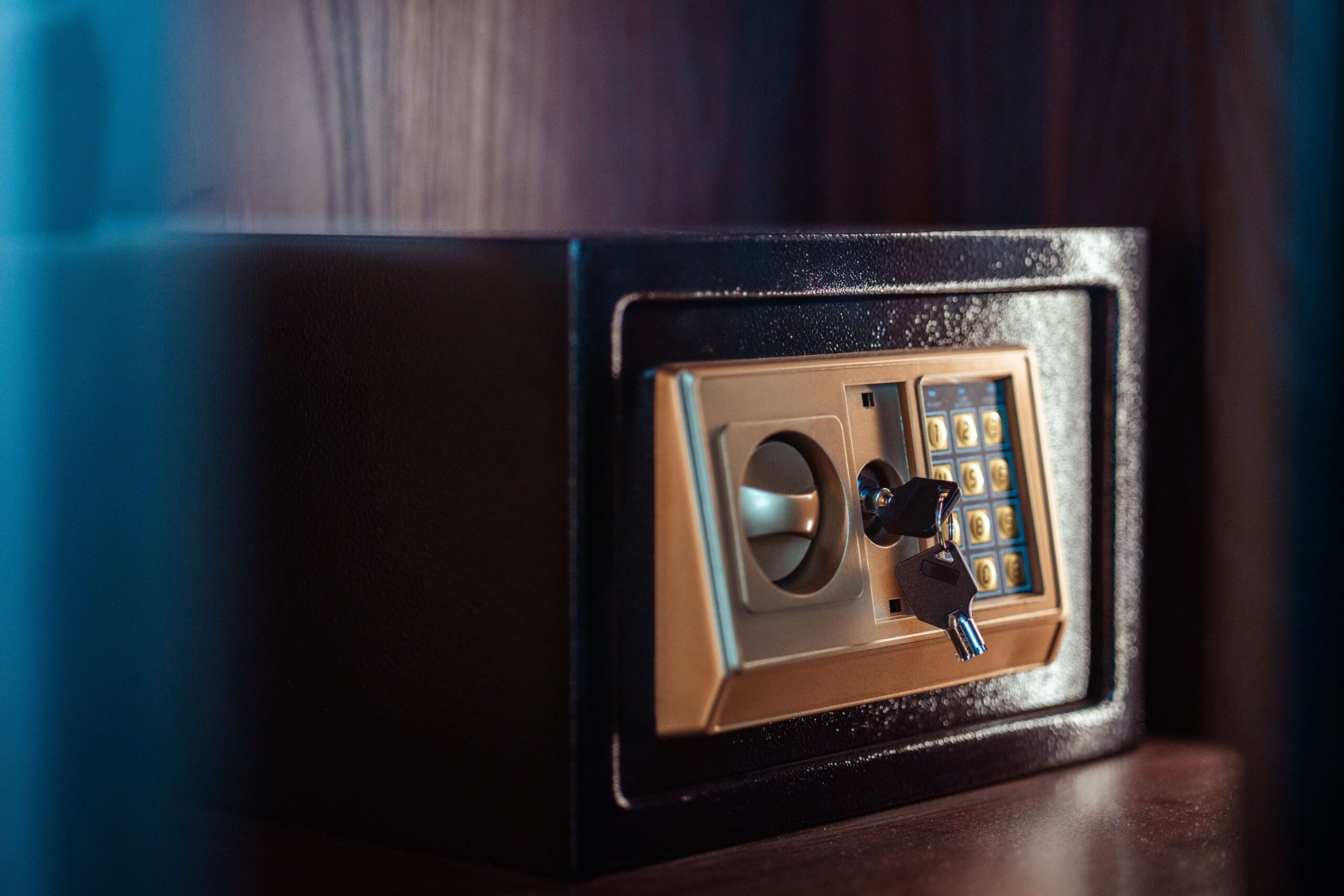
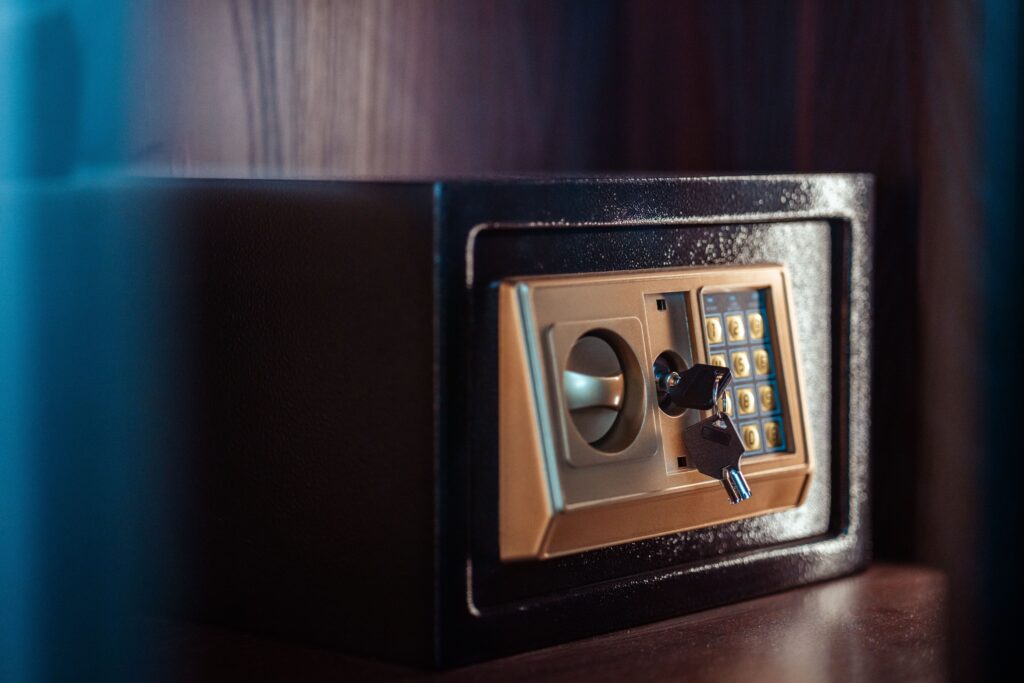
- Digital keypad locks
- Biometric fingerprint locks
Some safes combine two access methods, such as a digital keypad with a backup key or a fingerprint scanner with a numerical code.
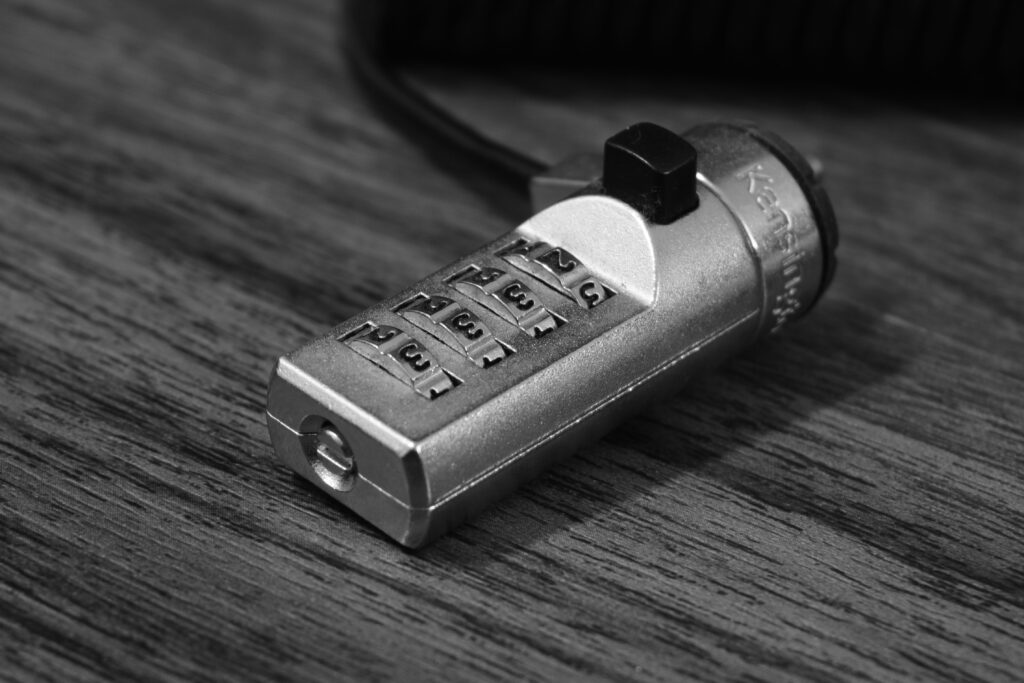
How Do Key-Operated Safe Locks Work?
A key-operated safe uses a specially cut key to align internal components and release the locking mechanism. The design may be simple on a small home safe or more complex on a commercial-grade unit.
Advantages of Key Safe Locks
Key locks are straightforward, require no batteries, and can provide quick access when the correct key is available. They are also easy to understand for users who do not want to remember a combination.
Disadvantages of Key Safe Locks
Keys can be lost, stolen, copied, bent, or broken. Keeping the key near the safe also reduces security because an intruder may find both.
Who Should Choose a Key-Lock Safe?
A key-lock safe may suit homeowners or businesses that want simple access and can store the key securely in a separate location. It may also be useful as a backup access method.
How Do Mechanical Combination Safe Locks Work?
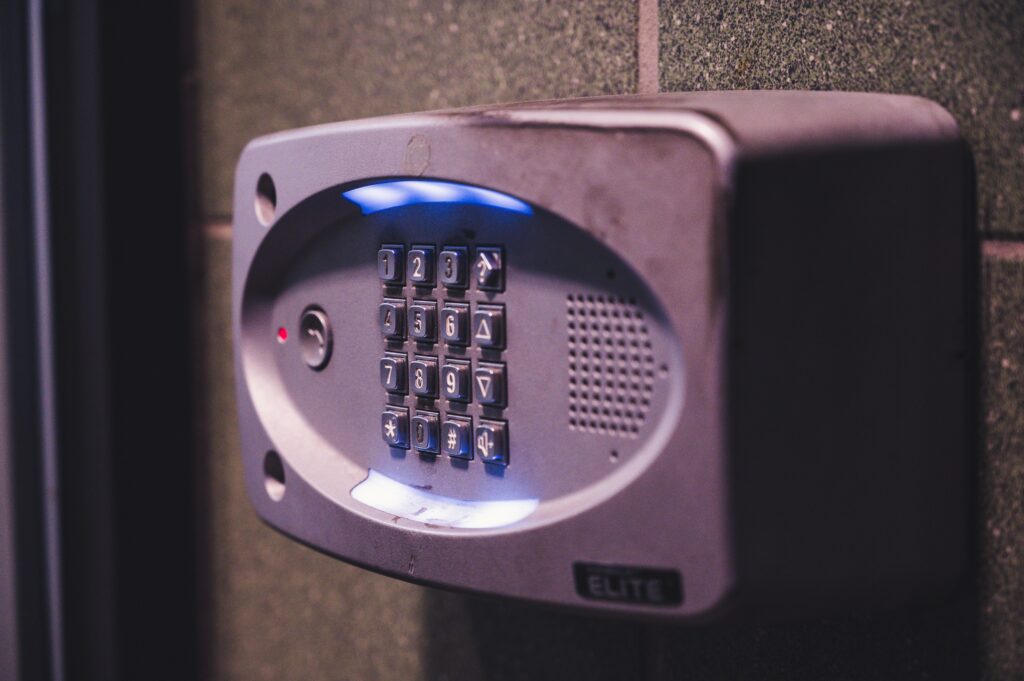
A mechanical combination lock uses a rotating dial connected to internal wheels. Turning the dial in the correct sequence aligns the wheels and allows the fence and locking mechanism to release.
How Do Mechanical Combination Safe Locks Work?
A mechanical combination lock uses a rotating dial connected to internal wheels. Turning the dial in the correct sequence aligns the wheels and allows the fence and locking mechanism to release.
Advantages of Mechanical Combination Locks
Mechanical locks do not require batteries or electronic components. High-quality dial locks can remain dependable for many years when serviced correctly.
Disadvantages of Combination Safe Locks
Opening a dial lock is slower than entering a keypad code. Users must remember the exact sequence and turn the dial accurately.
When Is a Mechanical Dial Lock the Best Choice?
A mechanical lock is a strong option for users who value long-term reliability and do not need rapid access. It is commonly used on document safes, gun safes, and commercial security containers.
How Do Digital Safe Locks Work?
A digital lock uses an electronic keypad. When the correct code is entered, the lock sends a signal that releases the internal mechanism.
Advantages of Electronic Keypad Safe Locks
Digital locks offer fast access, easy code changes, and features such as multiple users, audit trails, lockout periods, and time-delay settings.
Disadvantages of Digital Safe Locks
Electronic locks depend on batteries and internal components. Low-quality keypads, damaged wiring, moisture, or failed circuit boards can cause access problems.
What Happens When a Digital Safe Battery Dies?
Many digital locks store the code even when the battery dies. Replacing the external or accessible battery often restores operation without resetting the code.
Do not force the handle while the lock is unpowered. This can place pressure on the bolt work and make the problem worse.
How Do Biometric Safe Locks Work?
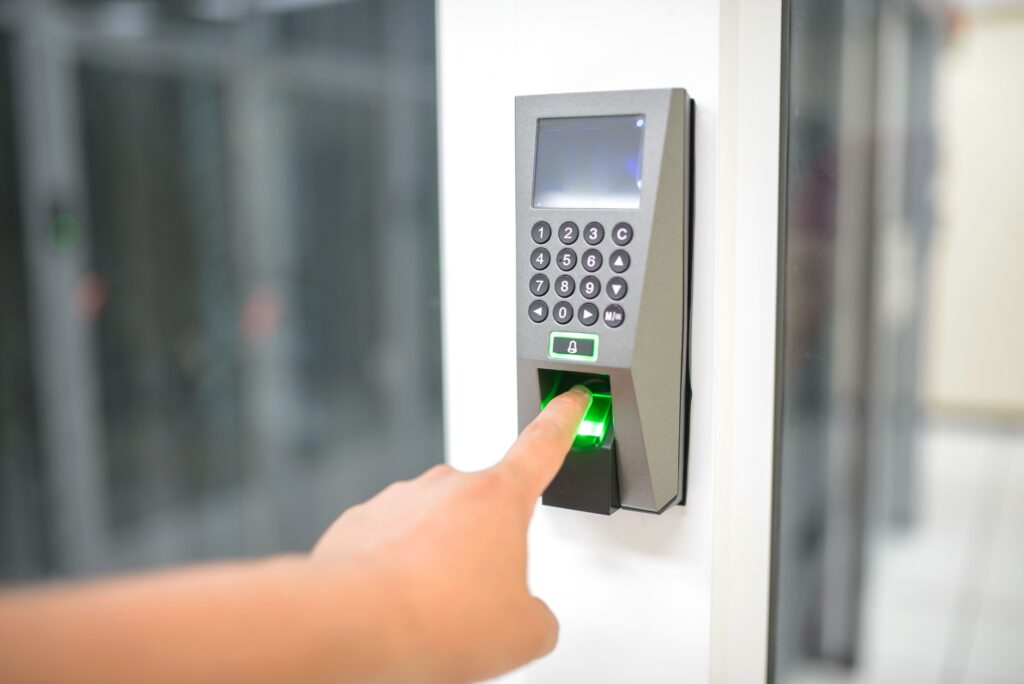
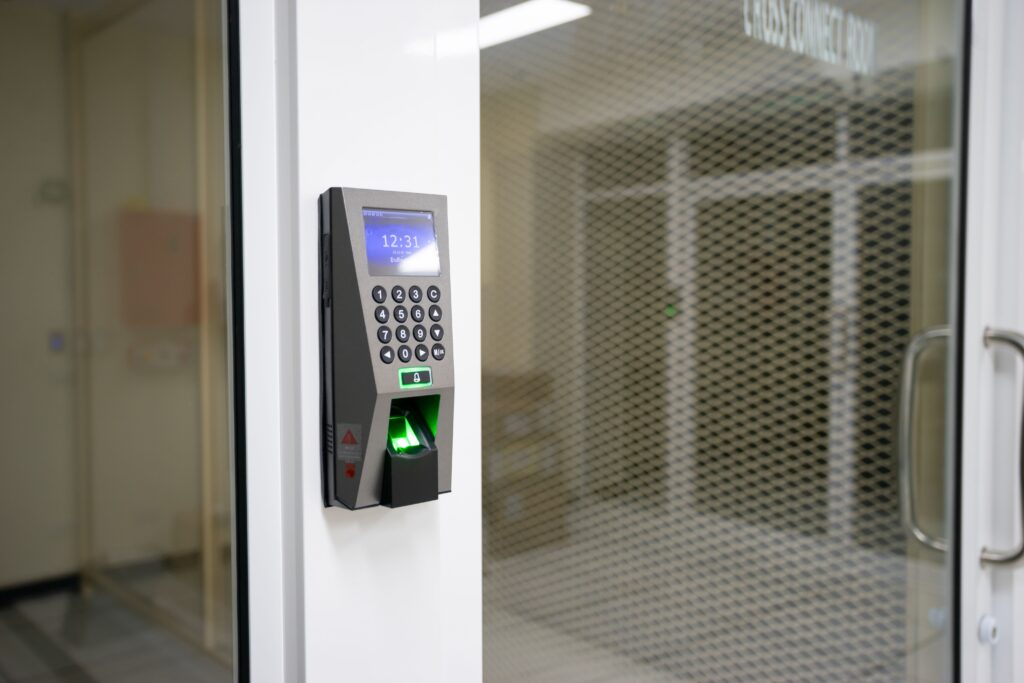
A biometric lock scans a fingerprint and compares it with stored fingerprint data. If the scan matches an authorized user, the lock releases.
Advantages of Fingerprint Safe Locks
Fingerprint access is fast and eliminates the need to carry a key or remember a code. Some models allow several authorized users.
Disadvantages of Biometric Safe Locks
Dirty sensors, wet fingers, cuts, aging components, and low-quality scanners can cause failed readings. Biometric locks also require batteries or electrical power.
Are Biometric Safe Locks Reliable?
Quality biometric locks can be reliable, but performance varies considerably. For stronger access control, choose a safe that also includes a keypad, mechanical override, or other secondary method.
Key vs. Combination vs. Digital vs. Biometric Safe Locks
| Lock Type | Access Method | Speed | Battery Required | Maintenance | Best Application |
| Key | Physical key | Fast | No | Key and cylinder care | Simple home use |
| Mechanical | Dial combination | Moderate | No | Periodic servicing | Long-term reliability |
| Digital | Numerical code | Fast | Yes | Battery and keypad checks | Homes and businesses |
| Biometric | Fingerprint | Very fast | Yes | Sensor and battery care | Quick controlled access |
The best choice depends on who uses the safe, how often it is opened, and the level of security required.
Which Type of Safe Lock Provides the Best Security?
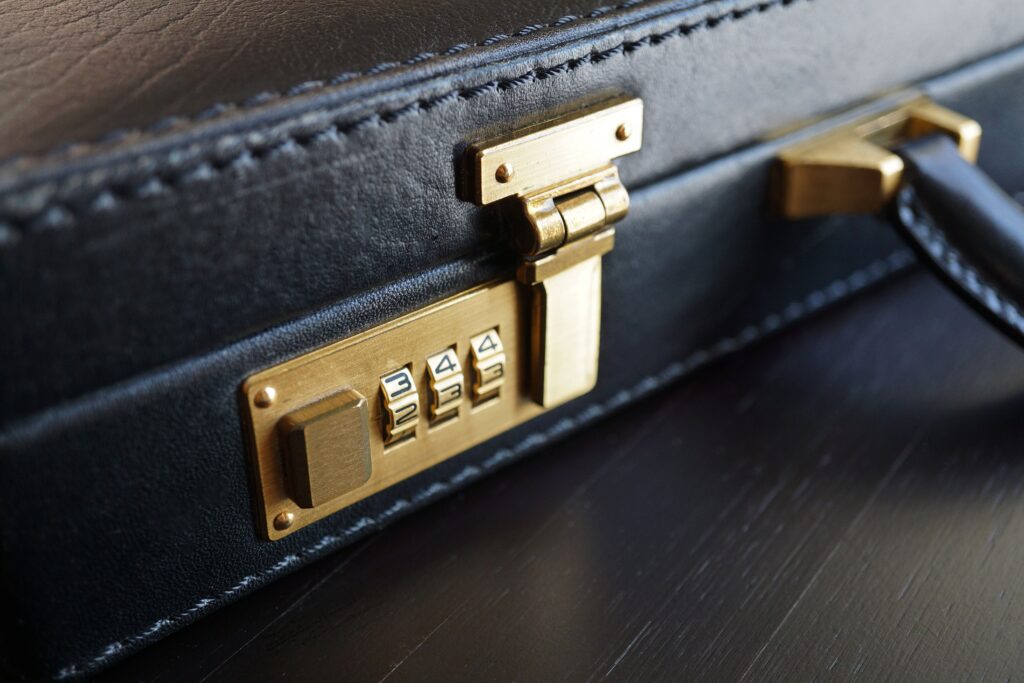
No single lock is best for every situation. A certified mechanical or electronic lock from a reputable manufacturer can provide strong protection when properly installed.
The safe’s construction and rating matter as much as the access method. A sophisticated lock cannot compensate for a weak door or thin safe body.
What Is a Dual-Lock or Multi-Lock Safe?
A dual-lock safe requires two separate locks or credentials. It may need two keys, two combinations, or approval from two authorized users.
This setup is useful when no single employee should have independent access to sensitive contents.
What Is a Time-Delay Safe Lock?
A time-delay lock waits for a programmed period after the correct code is entered. The safe can only be opened during a limited window after the delay ends.
Businesses often use this feature to reduce robbery risk.
What Is a Time-Lock Safe?
A time lock prevents opening during certain hours, even when the correct credentials are entered. Banks and cash-handling businesses may use it to restrict access outside scheduled periods.
What Is a Redundant Safe Lock?
A redundant lock provides two independent methods of releasing the safe. If one system fails, the second may still allow authorized access.
Redundancy can be valuable for businesses that cannot tolerate extended downtime.
What Is a Safe Relocker and How Does It Work?
A relocker is a secondary security device that activates when the primary lock or safe door is attacked. Once triggered, it can secure the bolt work independently.
Relockers make forced entry more difficult and require careful professional service.
What Is the Difference Between a Safe Lock and a Vault Lock?
A safe lock secures a self-contained security container. A vault lock is designed for a reinforced room or large vault door.
Vault systems are generally heavier, more complex, and may include multiple locks, time controls, and extensive bolt work.
What Type of Safe Lock Is Best for a Home?
For most homes, a dependable digital or mechanical lock provides a good balance of security and convenience. Families that need quick access may prefer a keypad, while users focused on long-term reliability may choose a dial.
What Type of Safe Lock Is Best for a Business?
Businesses may benefit from digital locks with multiple user codes, audit records, time delays, or dual-control features. The best setup depends on employee access, cash handling, compliance requirements, and operating hours.
What Type of Safe Lock Is Best for Quick Emergency Access?
Biometric and digital locks generally provide the fastest access. However, the safe should include a dependable backup method in case of battery, sensor, or keypad failure.
Are Digital Safe Locks More Secure Than Mechanical Locks?
Not automatically. A high-quality digital lock may provide advanced access controls, while a quality mechanical lock may offer greater simplicity and fewer electronic failure points.
Security depends on the lock’s certification, construction, installation, and maintenance.
Are Biometric Safe Locks Better Than Keypad Locks?
Biometric locks are faster, but keypad locks are often more consistent across different users. A combined fingerprint-and-code system can provide convenience with a practical backup.
Can a Safe Lock Be Changed Without Replacing the Safe?
Yes, many safe locks can be repaired, replaced, or upgraded without replacing the entire safe. Compatibility depends on the safe model, lock footprint, bolt work, and door design.
Can You Upgrade a Mechanical Safe Lock to a Digital Lock?
Many mechanical locks can be converted to compatible digital locks. The safe should first be inspected to confirm that the new lock works safely with the existing mechanism.
Can a Locksmith Change the Combination on a Safe?
A qualified safe locksmith can change or reset the combination on many mechanical and electronic locks. The exact process depends on the safe, lock model, and whether the door is currently open.
Can a Locksmith Open a Safe Without Damaging It?
In many cases, a locksmith can use non-destructive diagnostic and opening methods. However, damage-free entry is not always possible, especially when internal parts have failed or the safe has been attacked.
A professional should evaluate the safest method before drilling or altering the door.
What Should You Do If You Lose Your Safe Key?
Do not force tools into the keyway. Look for the safe’s model information and contact a qualified locksmith.
Be prepared to provide identification and proof that you are authorized to access the safe.
What Should You Do If You Forget the Safe Combination?
Check the manufacturer’s documentation and any secure records where the code may be stored. Avoid repeatedly entering random combinations because some electronic locks activate a temporary lockout.
Why Is My Digital Safe Lock Not Working?
Digital safe failures may involve power, programming, electronics, or mechanical resistance.
Weak or Dead Batteries
Replace the batteries with the correct type and confirm that the contacts are clean and secure.
Incorrect Code or Lockout Mode
Too many incorrect attempts may trigger a temporary lockout. Wait for the required period before trying again.
Damaged Keypad or Wiring
Worn buttons, loose cables, moisture, or damaged wiring can prevent the lock from receiving the correct input.
Failed Solenoid or Internal Lock Mechanism
A failed actuator may accept the code but fail to release the lock.
Misaligned Safe Door or Bolt Work
Pressure against the bolts can prevent the lock from opening. Do not force the handle or strike the safe.
Why Is My Biometric Safe Not Recognizing My Fingerprint?
Clean and dry both the scanner and your finger. Try another enrolled finger if available.
Repeated failures may indicate a weak battery, dirty sensor, poor enrollment, damaged scanner, or electronic fault.
Common Safe Lock Problems and Warning Signs
Warning signs include delayed opening, grinding sounds, loose handles, inconsistent keypad response, repeated fingerprint failures, difficulty turning the dial, and bolts that do not retract smoothly.
Addressing these problems early may prevent a complete lockout.
When Should a Safe Lock Be Repaired or Replaced?
Repair may be appropriate when the problem involves batteries, wiring, alignment, or a replaceable component. Replacement may be better when the lock is obsolete, severely worn, unreliable, or incompatible with current access needs.
How Often Should You Service a Safe Lock?
Service frequency depends on the lock type and usage. Commercial safes opened many times each day may require more frequent inspections than a home safe used occasionally.
How Much Does Safe Lock Repair or Replacement Cost?
Pricing depends on the safe model, lock type, condition, access status, required parts, and service complexity. Opening a locked safe generally costs more than servicing one that is already open.
Locksmith Near Me provides honest upfront pricing before approved work begins.
What Information Does a Locksmith Need Before Servicing a Safe?
Provide the safe brand, model, lock type, current condition, location, and whether the door is open or locked. Photos of the keypad, dial, keyway, handle, hinges, and identification labels can help identify the system.
How to Choose a Qualified Safe Locksmith in Milwaukee?
Choose a licensed and insured locksmith who explains the proposed method, verifies ownership, uses professional equipment, and provides clear pricing.
Safe work requires specialized knowledge beyond standard door-lock service.
Professional Safe Lock Services in Milwaukee, Wisconsin
Locksmith Near Me provides mobile safe lock assistance throughout Milwaukee and surrounding Wisconsin communities. Service availability depends on the safe type, model, condition, and required work.

Why Choose Locksmith Near Me for Safe Lock Services?
Locksmith Near Me is a family-owned Milwaukee locksmith company offering mobile service, fast response times, licensed and insured technicians, modern equipment, and honest upfront pricing.
We inspect the lock and safe before recommending repair, replacement, or professional opening. Our priority is to protect the safe and its contents while restoring authorized access as efficiently as possible.